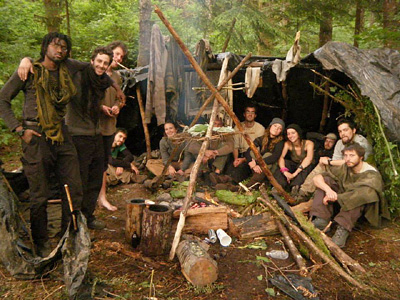
For most people life can be broken down into a few precious categories of physical needs: shelter (clothing, heating), lighting, energy, sleep, water, food, transit, defense, sanitation, first-aid, and communications.
Ragnar Benson’s Survivalist Rule of Three:
In prepper/survivalist circles, there is the “Rule of Threes.” The idea is that for all critical functions of survival (water, food, shelter, etc.) you have at least three ways of accomplishing a task. A primary system, a back-up system and a back-up of the back up. The idea is to build resiliency into your systems by creating redundant options. An example of this could be considering options for food preparation and cooking. Wood is one option for cooking. Propane is another. Not cooking (raw food) is another. Solar ovens add another option. Considering the limited time frames for propane availability, the ecological impacts, the hauling of fuel tanks to and from town, and the ongoing cost… the solar option seems preferable to propane. Wood is a good alternate choice and eating raw food is possibly the best choice (it saves time, money, energy and is generally optimal for health).
Try to have at least three different and independent ways of meeting all of your basic needs.
In a post collapse economy, the most important services and goods will revolve around meeting basic needs. After each topic I will suggest considerations for how to develop an income source to help people meet these needs. Much of the work that people do now to earn a living will be irrelevant.
SHELTER
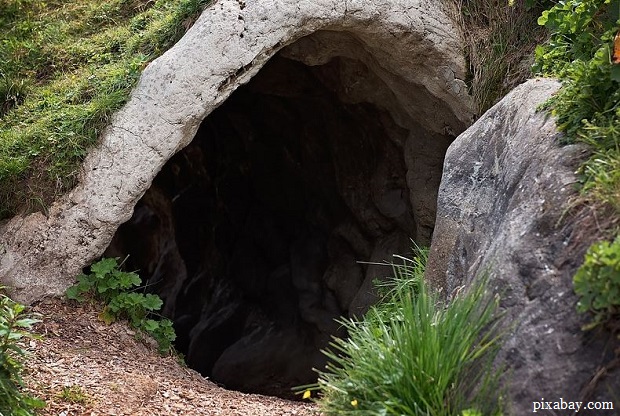
Is your shelter sufficient for year round comfort without electricity or petroleum based fuels?
Are there housing retrofits that could be done to increase insulation or otherwise improve energy efficiency?
Are there any repairs that could more easily be addressed now as opposed to in the future when materials may cost more or be unavailable?
Are there materials that would be good to acquire now, that you may wish to have in the future (roofing, etc.)?
Are there resources from the land that would be valuable for building materials (stone, clay, wood, etc. )? Can you collect any of these to use as items for commerce or trade?
What are the natural types of building construction used by the indigenous people and settlers for your area? Are there any good books on the topic? Are there people still building with these methods? Future generations may need to revive these building methodologies. It may be good to have someone in your group get familiar with the traditional building techniques for your area. Then practice these building techniques as a group.
Shelter (have at least 3):
*Sturdy weather appropriate clothes
*House
*Cellar
*Caves or mines
*Trailer
*Van or other vehicle with space to sleep
*Tent with sleeping pad.
*Rope plus 8-10 canvas tarps are good portable shelters. Include several sail needles and thread for repairs.
For non-sealed shelters mosquito netting may be helpful in sleeping quarters. Try to build underground. Root cellars and underground homes allow for fire resistance, better protection from nuclear hazards, or can be made to withstand mortars and other assaults. If you use a basement you can reinforce the ceiling and layer it with sandbags.
Clothing

Most of us have a closet full of clothing and with some mending from time to time, we will probably be fine with what we have for some decades.
While clothing is typically not the most pressing need to address, it is good to start learning how to make our own clothes from regionally available materials (i.e. wool and leather).
Anything that can’t be made at home can be traded or bought from local artisans.
Consider income options for those with a talent toward making or repairing clothing.
See the post Survival Preparedness – Part 3 – Material Provision Priorities for a recommended set of clothing per individual.
Heating
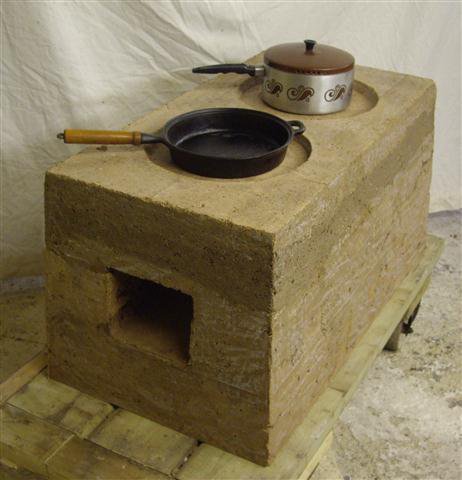
Smokeless rammed earth stove.
Make sure you have a nice wood burning stove for staying warm. Earthen rocket stoves and masonry heaters are efficient considerations.
Do you have a good wood or other fuel supply (dried animal manure, coal, etc.)? Consider planting trees for firewood if you don’t have a nearby source.
Be sure to have an alternative way to cut and split wood in case your can’t get fuel for the chainsaw or it breaks down. One or two-person crosscut, bow or buck saws are useful for cutting logs. Also be sure to have an axe for splitting log rounds.
Pick up some books on building earthen stoves. Steel wood burning stoves may become too expensive or difficult to acquire in the future. Metal stoves will need to be replaced eventually. Consider getting spare stove pipe because this tends to need replacing before the actual stove. Rocket mass heaters and masonry heaters are a much better option.
Evaluate if you have surplus fuel (wood, etc.) for trade or income. Consider developing and offering services as a stove builder.
LIGHTING & ENERGY
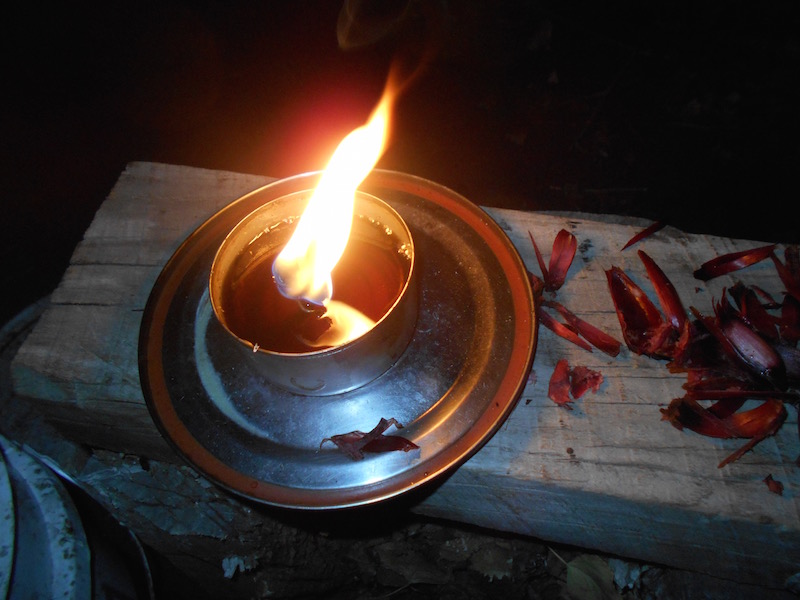
Lighting (have at least 3):
*Have a supply of candles and/or beeswax with wicks.
*Know how to make and use oil/fat burning lamps. Stock up on fuel for lamps.
*Flashlights are helpful. Headlamps allow for the free use of hands. Rechargeable batteries are preferable.
*Wood to burn
*Torches
*Solar panel system
*Hydro power
Note about electricity: It is best to live without electricity. For an explanation of why, see the book The Invisible Rainbow. If you decide to build your own decentralized power system, DC power is best for energy efficiency, it requires less components (no inverter), and is less harmful than AC power from a health perspective. A DC system has less biologically damaging high frequency transients (from the inverter) and the body runs on and prefers DC power. Alternating Current (AC) power is more antagonistic to our biology.
Though it is best to live without artificial light, if you are going to stock up on light bulbs, incandescent bulbs are the best choice. These are closer to the natural light spectrum. Avoid LED’s and Compact Fluorescent bulbs (the light spectrum and electrical radiation from these bulbs are particularly bad for health).
Are there any trades that can be developed around lighting or energy? Making candles, etc.?
WATER
Water sources (have at least 3): springs, creeks, lakes, ocean, rain water catchment tanks, a well.
Ideally you live somewhere where you can drink the water directly. Unfortunately, there a few places now where the water is safe. In these situations it is important to know how to purify and store water.
Storage:
- Reservoirs/ponds: After the storage of water in the soil (for plant growth) this is the next cheapest option to store water by volume.
- Tanks
- Wells: ground water storage.
Treatment options (low-tech):
Sand filter
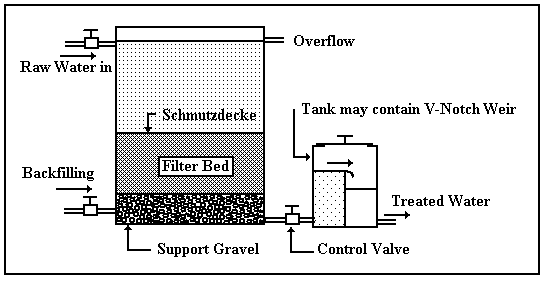
Does: Filter most pathogens, sediment, and many chemical toxins. Sand Filters remove 95.0 to 99.0% of organic contaminants, including bacteria, viruses, protozoa, worms, and particles.
Doesn’t: Insure total effectiveness at dealing with pathogens or chemical pollution.
Safe water produced by sand filters is free of discoloration, odor, and unpleasant taste, and can be used for drinking, food preparation, personal hygiene, and sanitation. Most common home-based models can produce between 20 and 60 liters of water per hour.
Contaminated water from rain, surface, or ground sources is poured through the top of the filter which may have a plate to disperse the stream while blocking large contaminants (e.g. stones, large twigs, leaves). The top few centimeters of the sand trap the bulk of micro-organisms, which accumulate and develop into a highly active food chain, called the Biological Layer or Schmutzdeke. The biological layer, which must remain partially wet, traps and feeds on the micro-organisms and contaminants in the water. Further filtration occurs in the lower layers of sand and gravel.
Maintenance:
Over time, the top layers of sand may become clogged with material, causing flow rates to drop. A simple stirring or skimming of the top layer of sand is usually sufficient to restore optimal flow. Frequency of needed maintenance is dependent on the quality of the source water.
Boiling
Does: Kill pathogens.
Doesn’t: Filter sediment or some chemical toxins. Some chemical toxins have a lower boiling temperature than water and may evaporate off. Other chemical toxins have a higher boiling temperature than water and may remain. Heavy metals and other toxins are not removed by boiling.
Boiling is the best method to make water containing pathogens safe to drink in the absence of pollutants (i.e., chemicals, heavy metals, etc.). Boiling water will kill bacteria as well as other disease-causing microorganisms like Giardia duedenalis and Cryptosporidium parvum which are commonly found in rivers and lakes. Water is heated hot enough and long enough to inactivate or kill micro-organisms that normally live in water at room temperature. Near sea level, a vigorous rolling boil for at least one minute is sufficient. At high altitudes (greater than two kilometers or 5,000 feet) three minutes is recommended. [Certain pathogens and their spores (e.g.: botulism – Clostridium botulinum) must be boiled at 100 °C for 15 minutes.]
In areas where the water is “hard” (that is, containing significant dissolved calcium salts), boiling decomposes the bicarbonate ions, resulting in partial precipitation as calcium carbonate. This is the “fur” that builds up on kettle elements, etc., in hard water areas. With the exception of calcium, boiling does not remove solutes of higher boiling point than water and in fact increases their concentration (due to some water being lost as vapor).
Boiling does not leave a residual disinfectant in the water. Therefore, water that has been boiled and then stored for any length of time may have acquired new pathogens.
Activated charcoal, however, can remove many pollutants, without removing pathogens. A combination of boiling at standard atmospheric pressure (i.e., not in a pressure cooker) plus filtering with activated charcoal can neutralize most pathogens and pollutants.
Fortunately, water drawn for cooking or for hot beverages need not be treated if brought to a rolling boil for about three minutes, longer at higher elevations (thinner air allows water to boil at a lower temperature). Water boiled for drinking will have a flat taste that can be made more tolerable by shaking it up in a closed container to re-aerate it.
UV disinfection
Does: Kill or neutralizes pathogens.
Doesn’t: Filter sediment or chemical toxins.
When boiling is not an option or to save fuel, UV exposure of water to the sun is an option. While some use the SODIS method, I would personally put water for UV treatment into a glass or wood bowl in the sun to avoid phthalates from the plastic bottles.
UV-A interferes directly with the metabolism and destroys cell structures of bacteria.
UV-A (wavelength 320-400nm) reacts with oxygen dissolved in the water and produces highly reactive forms of oxygen (oxygen free radicals and hydrogen peroxides), that are believed to also damage pathogens.
Infrared radiation heats the water. If the water temperatures raises above 50°C, the disinfection process is three times faster.
Suggested treatment schedule for various weather conditions:
Minimum Treatment Duration
sunny (less than 50% cloud cover) = 6 hours
50-100% cloudy (little to no rain) = 2 days
Continuous rainfall = unsatisfactory performance, use rainwater harvesting
Distillation
(either wood-fired/stove-top or passive solar)
Does: Kill pathogens, leaves behind sediment and will evaporate some chemical contaminants.
Doesn’t: Completely purify water, because of contaminants with similar boiling points and droplets of un-vaporized liquid carried with the steam. However, 99.9% pure water can be obtained by distillation.
Solar distillers are an option to consider when the weather is sunny or when purifying sea water.
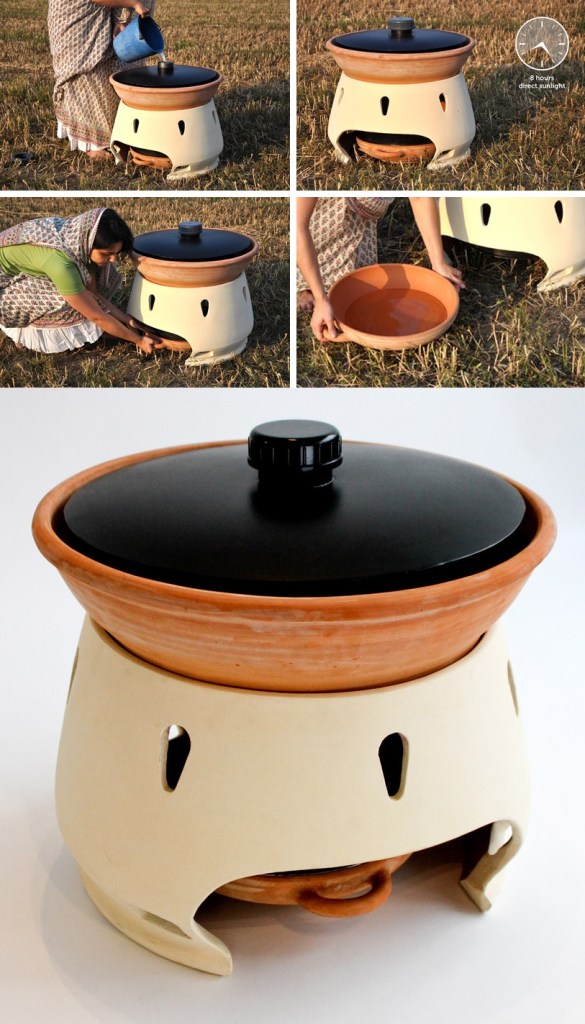
You can also buy a stove-top distiller for a wood stove.
If chemical pollutants are a plausible concern, run un-purified water through charcoal before adding to a distiller.
Note about Demineralized water: Distillation removes all minerals from water, and the membrane methods of reverse osmosis and nano-filtration remove most to all minerals. This results in demineralized water which is not considered ideal drinking water. The World Health Organization has investigated the health effects of demineralized water since 1980. Experiments in humans found that demineralized water increased diuresis and the elimination of electrolytes, with decreased blood serum potassium concentration. Magnesium, calcium, and other minerals in water can help to protect against nutritional deficiency. Demineralized water may also increase the risk from toxic metals because it more readily leaches materials from piping like lead and cadmium, which is prevented by dissolved minerals such as calcium and magnesium. Low-mineral water has been implicated in specific cases of lead poisoning in infants, when lead from pipes leached at especially high rates into the water. Additionally, desalination processes can increase the risk of bacterial contamination. [Wikipedia]
Comercial Water Filters
The performance of different commercial filters varies. You will need to research and look at performance reviews to get a sense of what commercial filters offer. Look for something that does not require electricity or have moving parts (that could break) in order to operate.
I have used a Berkey water filter in the past. Stock up on lots of filters. Use a sediment pre-filter process to extend the life of commercial filters. Also remove the Berky filter cartridges and pack them with padding while transporting because the carbon filter’s plastic stems tend to break easily if bonked around.
Home-made DIY Water Filter
Water filters can be made on-site using local materials such as grass, charcoal (from burned firewood), and sand. These filters have been used by soldiers and outdoor enthusiasts. Due to their low cost they can be made and used by anyone, including the poor, who often do not have access to safe drinking water.
Here’s some ideas for how to filter water from ponds and other mucky places: Let the water in collection containers (e.g. buckets) sit for several hours to allow debris to settle. Carefully pour the top 90 percent of the collected water through a version of this filtration system…
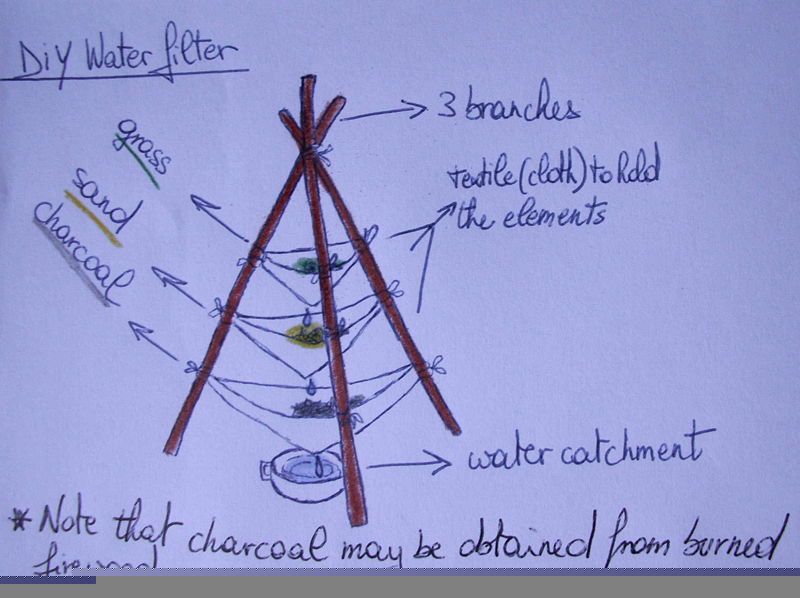
Discard the scum in the bucket. Periodically clean cloth and bucket and let them sit out in the wind and sun for a day or two to purify. Replace charcoal periodically.
- Sand or grass (sediment filter) – no need for both as they both only function as a sediment filter in this tripod setup. A proper sand filter is constantly wet and is made differently. With this tripod system you don’t get the biological treatment from a Schmutzdeke layer.
- Charcoal (chemical removal)
- Boil or UV sterilize at the end (microbe sterilization)
This system should remove all likely threats, barring radioactive fall-out or major chemical contamination.
Storage:
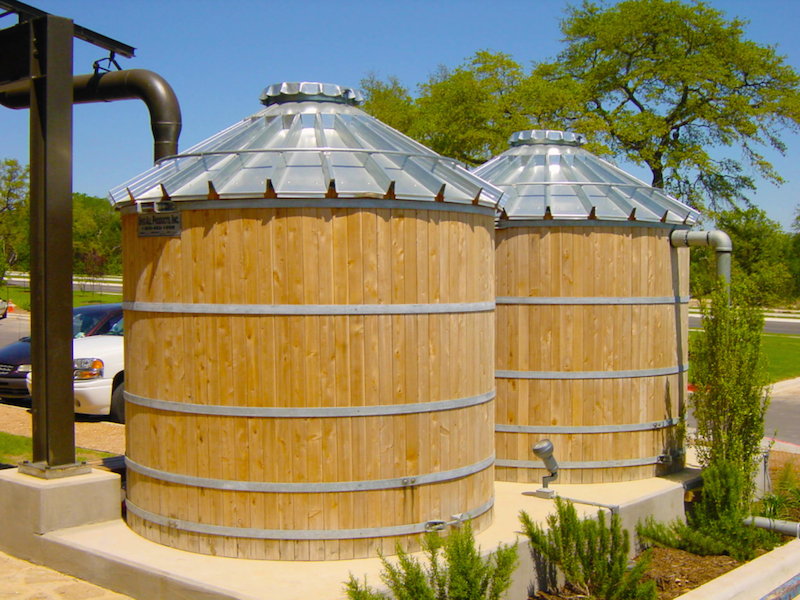
- 1 gallon (4 liters) per person per day. One gallon used sparingly is typically enough for drinking, cooking, brushing teeth, and dish washing. For bathing, you will need additional water.
- A 55-gallon plastic drum of stored drinking water will provide a family of four with a two week emergency supply of water in the case of an earthquake or other disaster. (In surviving a nuclear disaster it is recommended that you stay in your fallout shelter for the first 2 weeks after the blast to allow the particles of radiation to settle and drift away. You will need to have a stock of uncontaminated water during this time.)
Keep the container shut to prevent evaporation and keep it dark to prevent algae and bacterial growth. Polypropylene plastic is probably less toxic than galvanized steel (lined with zinc). Steel tanks are eventually destroyed by rust too. Wood would be best if you can find old wine barrels. Keep plastic tanks out of the sun, UV radiation is bad for them. Replace the water periodically.
Water stored improperly over time will tend to grow bacteria. Boiling is the simplest way to treat such water. In the event that fuel for cooking is scarce, use UV or filters.
Warning: Be careful with un-purified water. Don’t spill it around food preparation equipment or surfaces. Keep the containers used for water collection separate from containers used for the storage of purified water.
Water System Improvements
For two good books on building and designing water systems, see:
Water Storage by Art Ludwig
Create an Oasis with Greywater by Art Ludwig
Consider getting extra pipe and fittings that may get expensive or be hard to come by in the future. Polyethelene (potable water) pipe and polypropelene fittings are probably the best plastics option for materials in terms of cost and lower toxicity. In a post plastics world, ceramic pipe, irrigation ditches and similar systems could be utilized.
Understand hydrological cycles and how to encourage more rain.
Study Keyline design to improve hydrological function.
If you have a surplus of water, consider a water hauling business.
FOOD
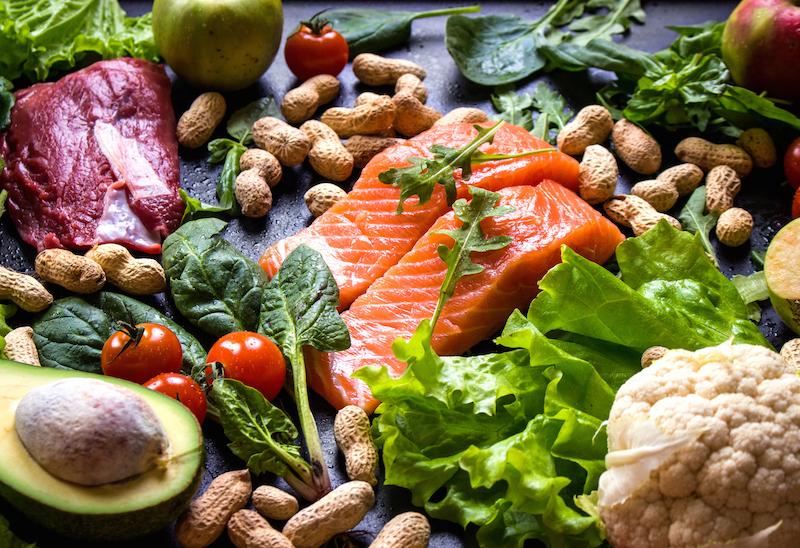
Food (have at least 3):
Storage, gardening, livestock, hunting, gathering, scrounging, purchasing, or bartering.
Humans need roughly 1-1.5 pounds (1/2 – 3/4 kilogram) of dehydrated protein, fat, and calories of dry matter per day.
Food scarcity will probably be our biggest challenge and deserves more investment with both time and money than any other area. Food production is made much easier and more efficient with a group of people.
Do:
- Know what wild plants are edible. Get books and attend workshops on the topic.
- Grow as much food as you can.
Some resources:
Singing Frogs Farm (great model farm)
Soil Food Web
Holistic Management
- Make a list of the kinds of foods that you would like to eat (eggs, veggies, nuts, etc.) and see if there can be someone dedicated to producing these foods in your social network.
- Have good traps and hunting equipment and know how to use them.
- Set up trades with other farmers/producers in the area. You want to establish arrangements with producers now, before things get really bad and their products will be in high demand. This will also support your local food community, allow you to see where your food is coming from and should save some money.
Stocking Up
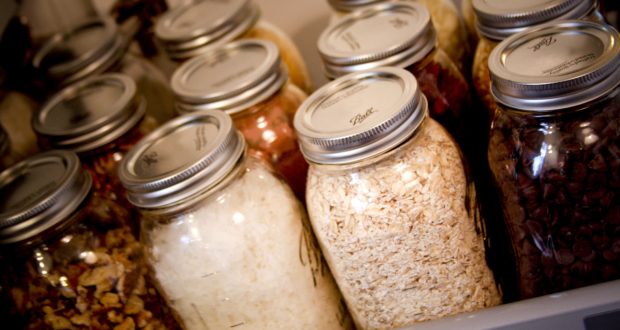
It would be wise to store at least enough food to last for several months. Ideally you will stock 1.5 to 2 years of food to allow for a transition time in a collapse scenario to improve food growing techniques and other food procurement skills.
This may seem like a lot of food and it is but it helps to just focus on acquiring small quantities at a time. First, try to obtain a week’s worth of food. Once this is accomplished, go for two weeks, then a month, then for three months, then 6 months and so on. If you break your goals down into smaller steps, you will avoid getting overwhelmed while steadily making progress.
Keep your food choices healthy in general, you will need to be in top form in a disaster. Keep in mind that during a crisis you may be under more stress, do more physical work than you’re used to, and may be exposed to more extreme temperatures. All of these factors will cause you to burn more calories. So you should plan to store greater quantities of food than your standard consumption.
Even an inadequate food supply will buy you some time.
Acquisition
Here’s some simple suggestions on quick ways to get started on food stockpiling:
1) Every time you go to the store, obtain doubles of any non-refrigerated items on your shopping list. Include any important non-food items that you may want after a disaster (dental floss, toothbrush, soap, etc.). The first time you do this for a commodity, put one item of the pair in your stockpile and put the other where you’d normally put your food. Every following trip put both items in the stockpile and remove the oldest one for use. This keeps you rotating out old stuff, so your food will have a maximum shelf life when disaster strikes. Make sure to write the date on food items that go into your stockpile so you know which one to use next. If you are currently eating lots of fresh produce and other perishables, then I suggest buying dried bulk goods and other non-perishable equivalents for storing. There is no doubt that fresh food is preferable to dried goods but your dried goods will be there if fresh food becomes difficult to obtain.
This method allows you to accumulate food that you would normally eat in the proportions that you eat it. It also doesn’t require a major up front financial investment. If you don’t think you can afford this, consider cutting back on luxuries to free up enough surplus money. Doubling your purchases for a year should give you roughly a year’s worth of stashed food. It is important to start this as soon as possible, so that if rampant inflation hits, you’ve created a safety net.
2) Set aside a certain amount of money each month to buy bulk food. Most stores have a 10% discount for bulk purchases. Consider buying a big bag of quinoa or whatever at a discount. You can also join or set up a buyer’s club. Many food distributors, particularly health food distributors, will allow for buyer’s clubs. Most distributors will have a minimal order amount (say $500) in order to make a delivery. A buyer’s club is a group of people that periodically pool money to meet that minimal order amount in order to obtain food at wholesale costs – which is much cheaper than the 10% bulk discount. For example, if ten people each purchase $50 of bulk food per month, they could meet that minimal order and get more bang-for-their-buck. Ask local stores for their distributor’s info or search the web and ask the distributor if they allow for buyer’s club purchases, then ask about the process of setting up an account to create one.
3) Talk to local farms about gleaning or getting produce for cheap in bulk. Farms typically leave a lot of food in the field that doesn’t meet market requirements for appearance or size. Properly preserving these foods will provide you with a source of food that may last seasons or years.
Just as important as getting your supplies together is maintaining them so they are safe to use when needed. Here are some tips to keep your supplies ready and in good condition:
- Keep stored foods in a dry place where the temperature is cool.
- Keep food out of the sunlight.
- Store boxed food in tightly closed plastic, glass, ceramic or metal containers to protect from pests and to extend its shelf life.
- Use foods before they go bad, and replace them with fresh supplies.
- Re-think your needs every year and update your kit as your family’s needs change.
Farming
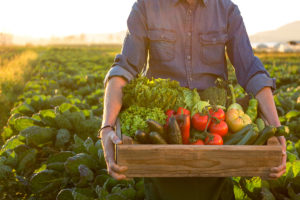
No matter how much food you store, it will eventually run out when a crisis lasts long enough. Being able to grow your own will allow you to not only replace the stored food, but to supplement it and make it last longer. However, as important as growing your own food is, it in no way takes the place of your food storage. Like all living sources it is too vulnerable to be your only food source. It requires a lengthy period of suitable weather before producing, and it is quite vulnerable to drought, diseases, pests, and vandals.
It takes time to learn how to produce your own food and it can be challenging to meet all of your nutritional needs yourself.
The amount of space that you will need will depend greatly on the methods you use, your skills and your resources in way of climate, soil and seed varieties. In general, however, you can provide a year’s supply of vegetables from 200 square feet (19 square meters) per person with good gardening techniques. Some sources offer tables of projected yields but, although they can be helpful, they are very approximate and your experience will be a much better guide. Extensive research by Brigham Young University has shown that a family of six can be almost completely self-sufficient on 2.5 acres of decent farm land with a dozen chickens, a similar number of rabbits and two milk goats.
Tree crops are an area that deserves attention too. Tree crops can provide fruit, nuts, medicine, wood (to burn and build with), are less labor intensive to maintain than annual vegetables and typically yield high amounts of food over time. For ideas on how to incorporate tree crops, see Restoration Agriculture.
Seeds
Seed saving is an important area of work. Most farms buy seed every year through mail order from places far away. This will not be an option forever. No one can grow a garden without seeds and during a prolonged food shortage seeds will be extremely valuable.
- Knowing how and when to collect seeds is essential.
- Knowing how many of each type of plant to grow to avoid inbreeding and reduced vigor over time is also essential.
- Maintain different garden plots of sufficient distance to avoid unwanted crosses.
When possible buy your veggie seeds in sealed cans for survival needs. When kept in sealed cans, they can be viable for many years. Seeds in small packets can be saved by placing them in an air tight jar. They should be kept dry and stored cold, the closer to freezing, the better. Seeds stored in this way will keep between two and five-plus years, depending on the seed type.
Annuals are valuable when establishing a homestead. They are particularly important in the first years if you have relocate. Though from a soil care and energy efficiency perspective perennials are better. One should strive to rely on perennial food plants as much as possible. For plant ideas see Perennial Vegetables and Plants For A Future.
Efficient Livestock
Animals recommended for husbandry because of low maintenance and high food yield are:
-Guinea Pigs are prolific. See this article.
Rabbits and pigeons are among the best.
-Rabbits: 3 females and a buck will provide 2 rabbit meals per week.
-Pigeons: 15 pigeons will provide two meals per week.
-Goats tend to eat anything and everything and take care of themselves, though they are not especially prolific. You will need access to several acres of forage for goats.
-Poultry
Fishing
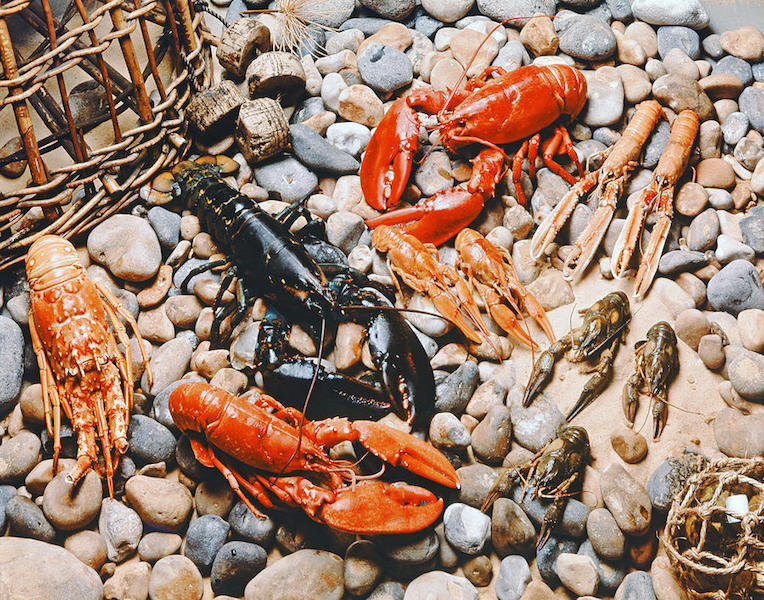
Survival fishing techniques to be considered in a wilderness emergency situation are line, spear, trap and net. All of these are important to become familiar with. For line fishing, be sure to stock up on line, leaders, sinkers, lures and especially hooks that are appropriate for the types of fish in your area. Use whatever fishing equipment you can make work. Select the most effective fishing tackle, not what is used for sport or simply required by regulations. Consider gill nets or a using a fishing weir. Some freshwater sources of fish will run out very quickly in the event of major food shortages.
Know how to collect food from the ocean: seaweed, shellfish (crab, mussels, etc.), ocean fishing, etc. Proficiency with swimming and using water-craft are valuable.
A fishing device for the rocky coast that is simple and effective is the poke pole. It is used for catching fish, eel, and crab. It can be made of any pole, like a length of bamboo, with a well affixed short length of strong line and a j-shaped hook at the end. Dive shops sometimes sell telescoping versions of the poke-pole for about $35 and they are a good investment. To use it, you bait the hook and go to an area with tide pools. It is best to use when the tide is just starting to come in because the fish trapped in tide pools are likely to be more hungry. Simply place the end of the baited pole in any tunnels, under rocks, and in any other hiding spots that are underwater. Leave it dangling in each spot for about a minute. If there is anything in the hole, it should bite pretty quickly. After trying one spot, go to the next. For bait you can use muscles or small fish. Scoop the small fish up with a net. Hold the net under the water and scoop upward. Use all the guts from birds and fish for bait. When using bait, try to keep it moving in the water to give it the appearance of being alive.
Preserving
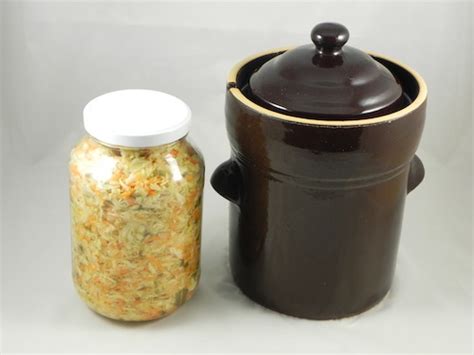
Get ceramic crocks for fermenting produce. Fermenting is the healthiest way to preserve food.
Dehydrating: Dehydrate fruits, vegetables and meats. Obtain a set a stainless steel screen racks and a screened-in cabinet (for bugs and pests) that blocks direct sunlight to use as a drying rack system. This is a simple way to preserve and store food for cheap. Drying preserves most of the nutrition (about 90%) and is good for pack trips and transport because it is light weight. For solar dehydrator ideas for different climates see Build It Solar.
Using a root cellar might be worth considering.
I wouldn’t bother with canning because it’s: lots of work, requires the purchase of lots of jars with one-time-use lids, uses lots of fuel/energy in the canning process, there is a risk of botulism, and much of the nutritional value 60-80% is lost in the heating process. I would also avoid smoking if air drying works. Smoking is used in humid climates where air drying is difficult. It requires wood burning and can thus be carcinogenic from the smoke. Packing meats in coarse salt (for dry packing) or a salt brine (also good for veggies) is not a complex process but uses lots of salt and if consumed regularly can overload you with sodium. Preserving in vinegar is okay but is inferior to wild fermentation. You would probably want to use apple cider vinegar and get a cider press to process the apples if pursuing this method.
I recommend reading:
Cooking After Collapse
Cooking options to consider:
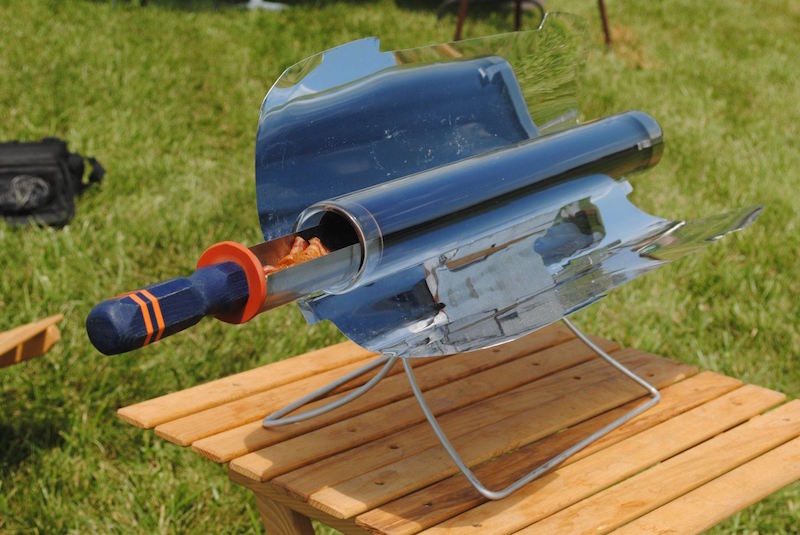
Solar Cooker
I don’t usually advocate high-tech gadgets like this Solar cooker but I think it is worth considering. You can also look into DIY options.
I like using wood to cook but with the harmful respiratory effects of smoke and the carbon emissions, it might be better for health and reducing ongoing pollution by using these solar cookers.
Also, there is a strong labor savings argument for getting solar ovens. Collecting wood and making a fire takes time. Throwing your meal into one of these solar ovens and putting it out in the sun is easy-peasy.
Long term, if fuel gets to be too expensive or we otherwise don’t have the use of chainsaws, having something like this would be a life saver. Cutting rounds with a hand saw and splitting wood with an axe/maul is a lot of work. Wood branches that don’t require splitting or sawing to fit into a stove will become increasingly scarce as the easy pickings are used up around our living quarters.
Solar ovens could be used to reduce wood consumption (for cooking) significantly and thus allow stock piled wood supplies to be re-allocated primarily for winter heating.
Woodstove (with wood, animal manure, etc. to burn). It is recommended to have a 1 year supply of fuel in storage.
Methane digester: sewage processing option that captures methane gas for cooking if you live in the tropics or can otherwise keep the digester warm for part of the year – in a greenhouse, etc.
Kitchen Implements
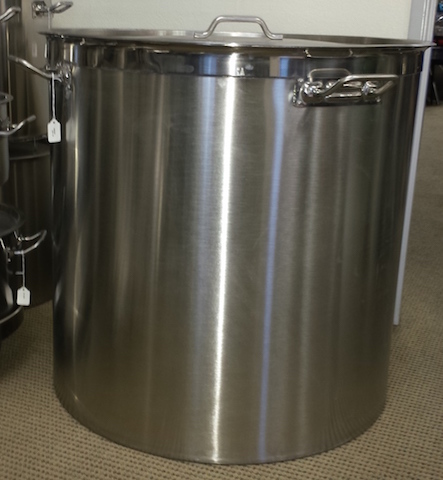
*Large stainless steel pot.
*Mills
I don’t eat grains and pulses but a quality grain mill is handy for breaking down bulk grains and beans for those that eat them. Breaking down these staples into smaller pieces, reduces their cook time, increases their digestibility, and saves fuel. It’s also handy for processing acorns. I recommend a hand mill with a metal burr plate. Hand mills are generally cheaper than electric mills, don’t require electricity, and some can be adapted to be powered by bicycle or a motor. I prefer a metal burr plate over grinding stones because they’re more versatile, being able to handle many oily or wet substances without clogging or absorbing the oil. Some metal burr plates will take peanuts, and a few will even grind dry bones into bone meal. If they do gum up they can be washed and they can be sharpened when they become dull. Get quality, however, since the cheaper plated models often flake off into the product.
Grinding stones are more temperamental. Grinding grains or legumes containing more than 10-12% moisture creates a gluey substance that glazes the stone – reducing the grinding action – and can clog the machine. It may burn on fast turning stones in electric mills, ruining the stone. Oily legumes like soy beans and peanuts will gum up the stone and make it useless. And although you can clean it somewhat by running a handful of popcorn through on a course setting, you should never wash the stone. Stones also produce more powder when cracking grain or splitting peas. Most importantly, there have been studies that show that people who rely on stone grinders often get bits of the stone in their food which slowly wears away their teeth.
The Country Living Grain Mill is an often recommended mill.
*Pressure Cooker
This will cut the cooking time for beans and dehydrated foods, saving fuel. If you plan on cooking over an open fire, get a model that doesn’t have plastic handles that could melt. Don’t ever cook over a large flame with a pressure cooker. Cook over coals to avoid melting the gasket seal or creating burn spots on the pot. Avoid aluminum pressure cookers, this is not a good metal to cook with from a health perspective. A pressure cooker will also allow you to preserve food via canning and sterilize water and medical implements.
Food will always have value for trade and for sale. Consider commercial food production options for your area.
TRANSIT
Transportation (have at least 3):
*Walking
*Horse or other pack animal. It is recommended to have at least a 1 year supply of feed in storage.
*Bikes
*Watercraft: kayak, sailboat, etc.
*Stock up on fuel for a motor vehicle (petrol/ethanol/biodiesel). It is recommended to have a 1 year supply of fuel in storage.
Consider your transportation needs. How will you continue to operate if fossil fuels are no longer available?
Will you use horses or mules? Do you have all of the packing gear that you would want for this?
Is there value in having a boat to travel down river?
Is there a need to haul bigger loads with a trailer? Can you use a team of horses to pull a trailer/wagon? What equipment would you need for this? Get it together and use it now to refine the process.
Is there transportation services that you could offer as an enterprise?
DEFENSE
Develop good strength, flexibility, and body coordination. This could be facilitated by yoga, martial arts, strength building, running, etc.
Be familiar with firearms handling and safety. Know how to aim and shoot a variety of firearms. Know practical marksmanship and defensive shooting.
Shooting
The “ideal survival gun” doesn’t exist because the answer depends on the specific task required. Likewise, an untrained person won’t accomplish much with the best gun, while an expert can do a lot with a mediocre firearm. That said, some guns are better than others.
Get duplicates of the same guns for each member willing to defend or hunt, so that weapon familiarity and handling is made easier. It is important to have uniformity in calibers and guns within your group to simplify the types of ammo you need to acquire. Limiting the number of firearm models will make it easier to stockpile spare parts, and non-working guns can be scavenged for parts if necessary. Also, in combat, if you use the same model of gun for fighting there are moments where part interchangeability will be essential. For example, if one member in your group runs out of ammunition in a firefight. If another member is using the same magazine-fed rifle, they can pass the person without ammo a spare magazine. This allows the person who ran out of ammunition to keep fighting.
Guns can be divided into two categories, those for defense/combat and those for hunting. Handguns are limited to about 50 yards (50 meters) or less, while shotguns can be very good defensive weapons at ranges under 40 meters (with a slug best for over 35 meters) and are useful for bird hunting. Rifles are used for ranges beyond the limits of these guns. Rifles are your choice for most hunting and combat applications.
First, choose the caliber. It will be easier to obtain ammunition for the most popular calibers and those used by the military and police. What follows are my recommendations:
Firearms:
Rifle:

1) .22 Magnum rifle. All around use gun. Can be used to put down any class of livestock (cows, pigs, sheep, etc.) with a shot to the head and will do the same for people.
2) Long-range high-power rifle (FN-FAL or other battle rifle in .308 caliber).

Sidearm:

3) Pick a sidearm: .22 Magnum pistol, .38 Special/.357 Magnum revolver, or 9mm Glock 17
- The .22 Magnum pistol uses the same ammo as the .22 rifle, making ammo interchangeability easy. The Magnum load has a bit more power than the standard .22 round and thus overcomes some of the penetration limits of the .22. Also, this is a less expensive round to practice with.
- The revolver is a reliable option with the best stopping power of these three options (especially when using the .357 Magnum load).
- The Glock is the best semi-automatic handgun manufacturer and the 9mm round is the standard issue caliber for police and military, making ammunition widely available. It has good stopping power with higher ammo capacity than the revolver.
Optional shotgun:
12-gauge (suggested models: Mossberg 500, Remington 870, Winchester Defender, Ithica 37)
Have good holsters for all handguns. Rifles should be scoped and have shooting slings. Get extra magazines and at least 1,000 rounds of ammo per weapon. Get a cleaning kit with brushes, cleaning rod, oil, solvent, and patches. Stock up on this stuff. Obtain spare parts for components that commonly break. Consult a gunsmith for suggestions on which parts. Get a gunsmithing tool kit to do basic repairs.
Ammunition
Lay in lots of ammunition (for practice and use). Lead-free steel rounds are preferable from an environmental point of view (less Condor and other birds of prey dying from lead toxicity from game that got away). Ammunition will make a great barter item. Stored in a cool and dry location away from ammonia and oil based solvents, ammo will be usable for decades. Store in airtight containers, preferably sealed in plastic then stored in a military ammo can.
You may want to reload your own ammunition to save money.
Have a defense plan for a variety of worst case scenarios:
- Vaxx Policiá
- Zombie apocalypse (happening right now, folks)
- Raiders
- Property takeover
- Martial law
- New World Order (NWO) Thugs
SANITATION & HYGIENE
In times past there was a different attitude toward human excrement. It has been valued as a source of rich nutrients. Along the Silk Road farmers would set up toilets in order to collect the poop and pee from travelers. The farmers would compete to make the most enticing latrine in order to attract more users. In ancient Japan farmers would come to collect your shit for free and would actually pay a Samurai for their droppings. The Samurai ate the best and richest foods and thus their excrement had the highest nutrient density.
These days though, with all the toxic crap that people eat, I wouldn’t want their shit used to grow my food. But for those of us that have a clean diet, we can turn our waste into a resource. See The Humanure Handbook for more info.
There may come a time for life without toilet paper. I know, the thought might be terrifying for some of you. But once you get over this fact, you may want to try washing with water. It feels a lot cleaner than toilet paper – which tends to smear things around. Plus if you stop using toilet paper it is one less thing to buy (polluting the planet) and to store, taking up space. Much of Europe, Asia and elsewhere use water instead of toilet paper.
For info on my compost toilet system, see my post: Corona Virus? What’s that?…
My time in the Andes Mountains During the 9 Month Argentine COVID Lockdown.
Trash: I burn non-glossy paper in the stove. All other garbage can be buried onsite. (Tip: if you have trash service, you live too close to civilization.) I try to avoid acquiring things that will add to the onsite landfill.
Ash, bones, and vegetable scraps all have ways in which they are used and cycled back into the ecosystem.
Clothes washing: Have a hand-washing system for clothes and a drying line, both indoor (near the wood-stove) and outdoor.
Cleaning: Know how to make your own soap. See my post Making soap from water, fat, and wood ash. Make your own lye (“the original bleach”) for an alkaline cleaner and make your own vinegar for an acid cleaner. Search the internet for how to do this (while we still can).
MEDICAL
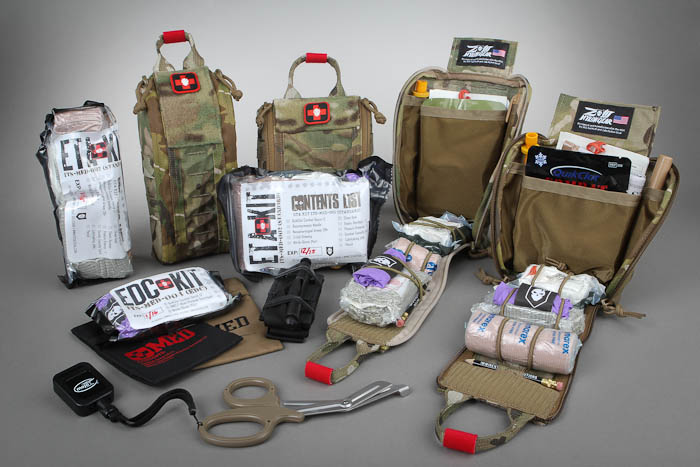
Consider taking a First-aid and CPR course.
Consider Wilderness EMT training, this is typically a month-long course.
Cultivate knowledge on herbology, pregnancy (prevention and delivery), know how to deal with common ailments.
Advanced – pursue schooling in advanced levels of EMT and paramedic training. Attend a tactical medic training or acquire some type of medical degree.
Network with local paramedics, dentists and doctors for services that can’t be provided “in-house.”
Consider income potential for medical services that you can provide.
CONSUMABLES
Store and Ignore Disaster Survival Box
A ‘Store and Ignore Disaster Survival Box’ is a tool for use in preparation for disasters, be they natural or human-made. It’s purpose is a container for non-perishable items of everyday use, stored as a long term investment in case of a shortage, desperate need, or no re-supply in the foreseeable future.
The primary concern is that it be filled with important, everyday necessities that cannot be manufactured by crafts-folk or easily repaired. The secondary concern is that it be filled with non-perishable items; meaning it can be left unattended indefinitely, until the need arises. The most important consideration is that it must contain a good number of the individual item types, secured so that they do not risk damage from other items in the box. To facilitate use of the box at night, glow sticks may be included (as batteries eventually lose charge). It may also be useful to secure it shut with handles or belts, although they may deform some boxes.
Tertiary concerns may include: ensuring that the container is of a tough and non-biodegradable make, preferably plastic. It must be able to withstand neglect for an indefinite period. It should also be strong enough to take direct pressure or blunt force impacts in multiple areas. The container may be useful as a small step ladder or seat. You might choose a waterproof container that will allow it to float in case of a flood or when emptied. Waterproof containers can also be used to contain any liquid or fine sand. When filled with sand or stones, the box can act as a sandbag. With the addition of log/pipe rollers it can serve as a wheelbarrow.
It would also be wise to arrange the items in order of most need, to help prepare for emergency action.
The box may include duplicates of any of the supplies from the ‘Survival Gear List’ or any of these items:
Among the best trade items are basic foods (particularly oil), garden seeds, toilet paper, hand sewing needles and thread, ammo (common calibers), matches, razor blades, wire, and cloth. It could also include: soap, gunpowder, contraceptives, primers, bullets, medicine, syringes, toothpaste, toothbrushes, shaving supplies, mirrors, shoes, socks, underwear, pens, pencils, paper, salt, baking soda, wire snares, blasting caps, gloves, tape, knives, sharpening stones, saws, files, chain saw parts, garden hose, motor oil, engine filters, canning lids, plastic freezer bags, electrical supplies, nylon rope, tea, welding rod, detergent, watches, steel wool, nails, screws, bolts, candles, flashlights, rechargeable batteries, bulbs, tires, spices, boot oil, tools, fishing line, insect repellent, and shoelaces all have potential as stockpiled goods.
Trade Goods
All of these items may also be useful for trade. Realize that paper money has value only in a working economy that accepts it and that it may be absolutely worthless in the future. Then your storage of real goods for barter will be crucial. By starting now, you may be able build up a good inventory of trade goods. As a general rule only trade labor for labor or your labor for goods. Don’t give away your goods unless absolutely necessary.
When stocking up on goods to trade or to keep for yourself consider all of the items you use on a regular basis, the items you would want for self-sufficiency, and the types of consumables that your average household uses. Make a list of these. Then go to the hardware and grocery store and write down any items that you forgot. This will give you a good set of goods to consider stocking up on. I wouldn’t store anything my family wouldn’t use and I’d stock up on a variety of items. The Lehman’s Hardware Store catalog has some ideas for equipment to acquire.
Storage Ideas
- Outdoor shed
- Sturdy, decorative footlocker or chest (keep it near the front door or patio).
- Rubbermaid Rough-Neck Totes – food in one tote, blankets in another, etc.
Underground storage for valuables (extra ammunition, etc. )
Getting a length of wide diameter water pipe with two end caps can serve as an underground storage container for most items. Seal one end with a cap, pack your items in with a punctured tin of some dried rice. The rice will help absorb moisture inside the pipe. Grease up any metal objects and seal things in water-tight containers to be placed in the pipe. Grease the other outside end of the pipe and place a slip cap over it. Wheel-bearing grease should work fine. Bury it and check it annually (replace the rice, etc.). Don’t forget where you buried it!
If you need a larger container, try a 208 liter (55 gallon) plastic barrel with a screw top lid. Bury the barrel and apply a thick layer of grease on the threads and seal it tight. Place a small piece of plastic over the lid before covering with soil. This will help keep the greasy threads on the lid cleaner. Make sure to put enough soil on top of the barrel to avoid flotation in the case of high ground water from rain. Avoid placing it in areas that flood.
COMMUNICATIONS
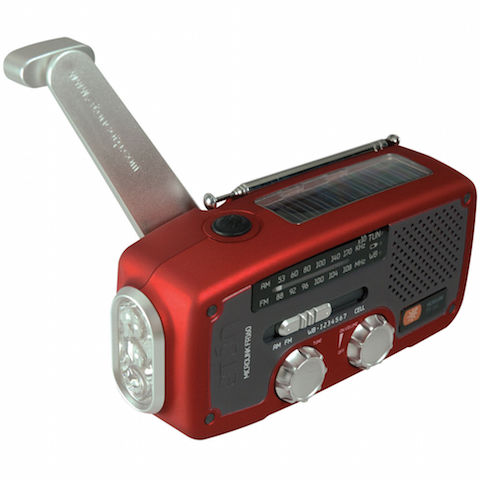
Electronic communications technologies tend to be very dangerous for health.
The one device I do recommend is a solar/crank powered emergency radio. These are only receivers and are not microwaving you, unlike basically every other electronic communications device. The radio is a good way to get emergency news bulletins, weather forecasts, etc. Eton is said to be a good brand.
For those who chose to stay connected to the communications web of our dying global civilization be sure to have a wired internet connection and a corded phone (not cordless) with a speaker phone option – to keep the magnetic field of the earpiece away from your head. You can read about the adverse health impacts of telephony in The Invisible Rainbow. You might also choose to do like me and get rid of these things altogether, only using them a few times per year in a nearby town.
 escape del imperio