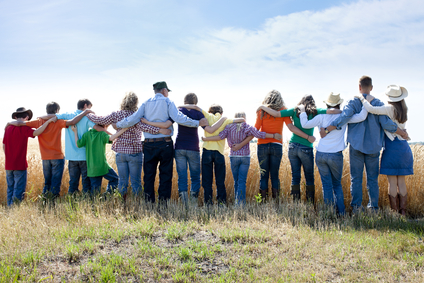
“The future belongs to those who prepare for it.”
Ralph Waldo Emerson
“Survival is 90 psychology, and 10 percent methodology and gear.”
Cody Lundin
The global crisis has been approaching an apex in these recent years. Global civilization has become vast and complex, relying on complicated technology and dwindling resources to function. The inhabitants of this planet are increasingly dependent and domesticated within a layered web of social and economic control. This social system is failing and is showing itself to be increasingly unstable. As people are becoming more aware of this, there is a growing interest in farming and survival. For most people though, this interest and concern usually doesn’t go too far beyond watching some reality TV show on survival and buying a box of emergency supplies for short term power-outages. The vast majority of people are not going to be ready for the mass extinction crisis underway. I expect that most if not all of our species will perish in the challenges ahead.
Self-sufficiency is the foundation of survival and being responsible for providing our needs is a prerequisite for freedom. If we are to be free, we must learn how to meet our needs directly from the land and be prepared to protect these lands.
Some reasons to prepare:
- A desire to gain useful skills in the present while expanding individual and collective capacities to deal with future scenarios.
- To use the process of preparing for survival as a group activity to help improve cohesion and establish a collective focus.
- To go beyond a day-by-day way of getting by.
- To create more independence from civilization and empower oneself to be self-sufficient.
- To prepare together so that no individual weighs the group down too much and to be able to offer assistance to those who need it.
If you:                             You could be dead in:

panic                               3 to 4 seconds
have no oxygen                      3 to 4 minutes
have no shelter                     3 to 4 hours
have no water                       3 to 4 days
have no food                        3 to 4 weeks
fall apart as a group        3 to 4 months (or minutes, etc.)
Vision
Start with establishing a vision for your future including the social model and life way that you wish to actualize. Consider the historical settlement models of the indigenous peoples and early settlers for your area. From such accounts there will be important tips on the carrying capacity for the region, group size, building methods and lifestyle adaptions to your bioregion.
Dimitri Orlav offers some interesting insights and considerations regarding social structure for Communities That Abide.
Urban Survival Preparation is a Waste of Time
This information I present will be focused on remote rural survival because I consider urban survival an oxymoron. There is no future for those who remain in a modern technological city. Municipal water is contaminated with chlorine, fluoride and other chemicals. Commercial food is shipped in from long distances and is typically toxic with biocides and often contains genetically modified ingredients. The air and soil is polluted from exhaust and industry. Homes are built with industrial paints, wood treatments, and synthetic materials that off-gas poisons into living spaces. Modern houses are full of artificial (blue) light, microwaves from all of the wireless technology and other forms of electromagnetic radiation. The only future for electric-grid tied people is permanent infertility, neurological damage (autism, Alzheimer’s, brain damage, etc.), and DNA damage (leading to mutations and cancer). The only future for city dwellers where these pollutants are concentrated is increased stupidity, biological degeneration, and extinction. Unfortunately many of these same problems exist in modern rural dwellings too, which is why we need to fundamentally change the way we think about and live our lives.
Humanity has created highly artificial living environments that are extremely antagonistic to the continuance of life. Before we can talk seriously about survival, we need to put ourselves into a healthy and safe environment. We need to return to nature.
Skills
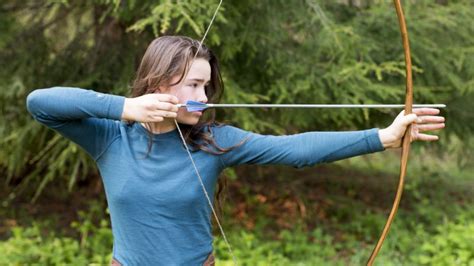
“The more you know, the less you need.”
Australian Aborigine saying
- Make a list of qualities that are important for group social cohesion.
- Then make a list of the associates that have these qualities, that you think would be good to have by your side through a crisis.
- Invite these people into a process of preparation and assess the skills of each person in your group.
- Make a list of what people are proficient in.
Consider the following skills…
Wilderness Survival Skills:
Techniques meant to provide the basic necessities for human life: friction fire, wilderness water purification, simple shelter construction, edible/medicinal plant identification/use, tracking, hunting, field dressing and butchering game, cooking without pots and pans, hide tanning, knife use, primitive tool/weapon making, primitive pottery, navigation/map reading, making cordage, knot tying, reading weather signs, knowledge to avoid unpleasant interactions with animals and plants.
Food Production:
-Gardening
-Nursery work (trees, etc.)
-Raising poultry for eggs, meat, feathers, manure
-Raising livestock
Building/Fixing:
-Metal work (welding, casting, blacksmithing, etc.)
-Gunsmithing
-Carpentry and natural building with earth, stone and wood
-Wood working (furniture, utensils, tools, etc.)
-Plumbing
-Electrical
-Masonry
Medical skills:
-Emergency trauma care
-Herbalism with local plants
-Veterinary skills
Transport:
-Horsemanship
-Mechanic skills
-Bike repair
-Boats or rafts
Social:
-Teaching (reading, writing, math)
-Public speaking
-Translation
-Conflict resolution
-Enlightened communication
-Envisioning the life we want
-Healthy relationships
-[see comment below article]
Clothing:
-Sewing
-Quilting
-Tailoring
-Fiber arts: spinning thread, weaving, crocheting, knitting
-Shoe cobbling
-Leather craft (for clothing, bags, saddles, horse tack, rain clothes, shoes, etc.)
Country Skills:
-Food preservation
-Folk arts: candle making, soap making, natural paints (milk paint, etc.), and concocting natural glues
-Climbing and mountaineering techniques
Add any other important basic living skills that you can think of that are not listed here, to your group’s list.
- What skills are the most important (weakest link) for your situation?
- What skills do you and other members want to develop proficiency in?
- Have each person make a list of things they would like to learn and have them commit to learning a new skill. Periodically repeat this process.
- Network with others in your region to fill any gaps. Build relationships with key people that have necessary survival skills.
 escape del imperio
This is excellent, Luke. Thank you for sharing your insights and practical advice on how to live a healthy life. Under the ‘social’ heading, I would add: conflict resolution, enlightened communication, envisioning the life we want, healthy relationships, spiritual prowess, personal empowerment/conscious evolution (working with the subconscious mind, neuroscience and quantum physics), and creativity — to potentiate all of the other skills you list. Creating cooperatives with this kind of empowered mindset + practical skills would be more powerful than anything else.
LikeLike